

what pastors can learn from steve jobs without becoming steve jobs. (part three.)
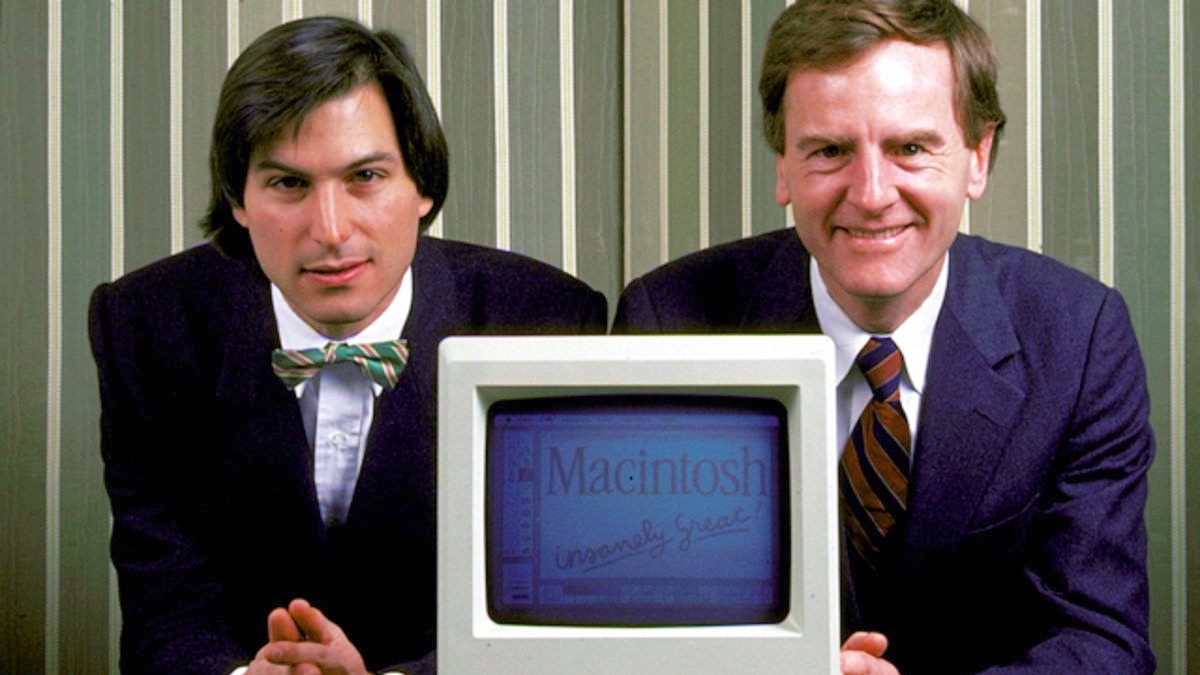
In spring 1983, Apple was still the scrappy kid trying to punch IBM in the kneecaps. Steve Jobs wanted a “real adult” to help run the company, so he went after Pepsi executive John Sculley. And instead of emailing a PDF job description titled CEO_FINAL_v7(2).docx, Jobs did what Jobs did best: he shared the vision.
One version of the oft-recounted story has them in New York City, sitting on a balcony overlooking Central Park, when Jobs drops the line: “Do you want to sell sugar water for the rest of your life or come with me and change the world?” That’s a moment. It reframes Sculley’s whole life into a fork in the road: comfort vs. calling, safe vs. significant.
And it worked. Sculley became Apple’s CEO on April 8, 1983.
Now—before we baptize Steve Jobs and put his photo on the church lobby wall next to the mission statement—let’s talk about what this means for church leaders casting vision. Because we do the opposite all the time.

We recruit like this:
“Hey! We are so shorthanded in the nursery. If you’re available, we could really use a hand.”
Translation: Do you want to sell sugar water for the rest of your life… or do you want to change diapers until Jesus returns?
Jobs didn’t invite Sculley into “tasks.” He invited him into a story—and made it personal.
Sculley later described the gut-punch of it with one word: “I just gulped…” and admitted he’d have wondered forever what he might’ve missed.
That’s what great vision casting does in the church too. Not hype. Not pressure. Not guilt. It creates a holy, internal gulp.
“Do you want to sell sugar water for the rest of your life… or do you want to stack chairs until Jesus returns?“
Here’s the playbook (minus the turtleneck):
1) Name the “sugar water.”
For many church members, sugar water is paying bills, driving kids to sports practices, dreading going to a job they hate on Mondays, working for the next vacation and escape from day-to-day life, paying down student loans and credit cards, driving a car they can’t really afford in order to project a desired status, etc. It all looks good, but doesn’t quite feel significant.
2) Paint the “change the world” with specificity.
Paint a picture of a future where they are the hero of the story and the story has substantial, significant meaning for this life and eternity.
- “help the next generation follow Jesus with their whole heart by leading a small group of middle schoolers.”
- “use your gift of teaching to help high schoolers become biblically literate.”
- “host a small group to help disconnected people find their community.”
- “make our church a welcoming place for our community by looking someone in the eye, shaking their hand and smiling so that they are seen and feel loved.”
When people’s gifts are seen, and they find they can make a difference, then the tasks involved in making it happen feel significant and give purpose. Look, no one wants to change diapers on a kid that’s not theirs instead of sleeping in on Sunday mornings. But if they can care for that child, teach them that God has a plan for their life, and show them the tangible love of Jesus, while allowing parents to participate in worship and become the spiritual leaders of their home, the eternal impact of that is worth getting up a little early on the weekend. The reward isn’t immediate, but feeling like I was a part of something significant this weekend is.
3) Invite someone into identity, not just activity.
Instead of “Can you serve twice a month?” try “You’re the kind of person who brings courage to rooms that need it. Come help us build something that outlives us.” Sure, it sounds a little grand. But isn’t that what we all really want? Something bigger than ourselves? Bigger than the day-to-day grind?
Steve Jobs wasn’t recruiting labor. He was recruiting belief.
And honestly? The church has an even better pitch.
Because we’re not offering a chance to “change the world” in the abstract—we’re inviting people into the actual kingdom of God breaking in, one brave “yes” at a time.
dc.

