

I’ve carved out time. I’ll be sitting in a comfy chair in front of the TV with my MacBook, and I’ll be watching an Apple keynote. This morning, Apple executives will walk onto a stage at Apple Park and spend roughly two hours talking about software updates.
That’s it. No new iPhone, no flying cars, no cure for cancer. Just software. And millions of people will watch.
Developers will watch. Tech journalists will watch. Investors will watch. Apple employees will watch. Hardcore fans will watch. YouTubers will live-stream reactions to people reacting to the keynote. Somewhere, a grown man will make a fifteen-minute video analyzing a redesigned settings menu.
And Apple wouldn’t have it any other way.
What’s fascinating is that Apple has accomplished something most organizations spend fortunes trying to achieve: they’ve turned a corporate presentation into an event.

Apple Doesn’t Chase Trade Shows
Most technology companies spend enormous amounts of money chasing attention at industry events.
For decades, companies flocked to the Consumer Electronics Show in Las Vegas. Massive booths. Giant banners. Celebrity appearances. Promotional swag. Marketing teams desperately competing for attention amid a sea of competitors all shouting at the same time.
Apple largely opted out.
“While competitors were spending millions trying to stand out in someone else’s event, Apple quietly built their own.”
Macworld. Then WWDC. Then special product launch events.
Rather than renting a booth, Apple built a stage. Rather than fighting for attention, they owned it. Rather than hoping the media would notice them, they created moments the media couldn’t ignore.
WWDC Isn’t Really About Software
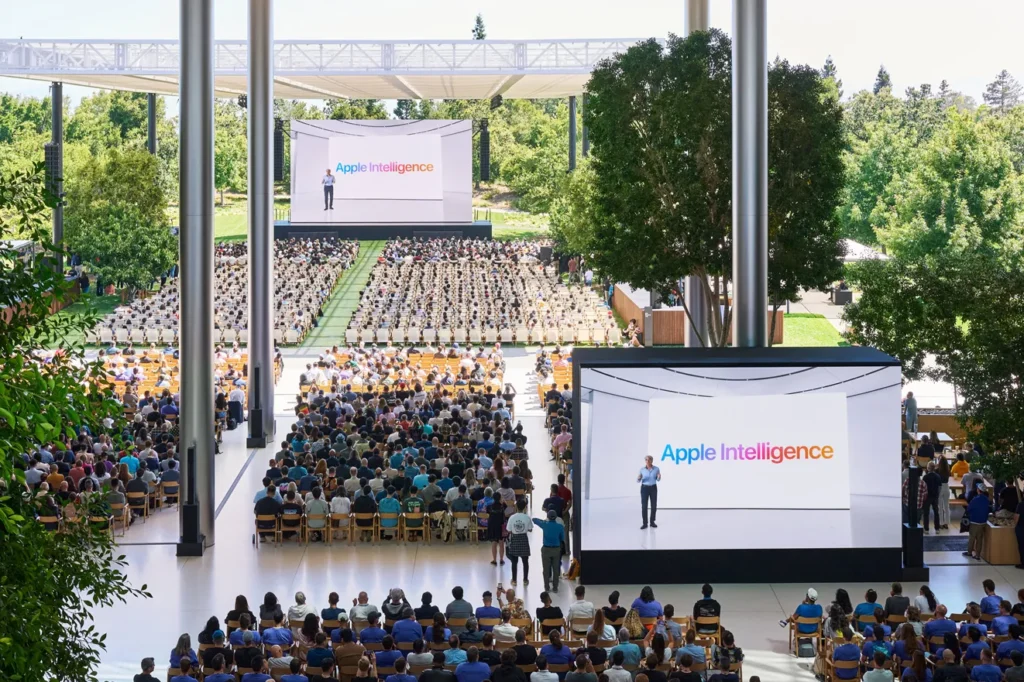
Officially, WWDC is a developer conference.
The clue is literally in the name: Worldwide Developers Conference. (Or “Dub-Dub” to hardcore fans.)
The target audience is developers. Not consumers. Not casual fans. Developers.
Apple wants the people building apps, tools, integrations, games, and services to understand where the platform is headed.
The keynote serves as a giant vision-casting event for insiders.
Developers leave knowing:
- What Apple is prioritizing.
- What Apple believes the future looks like.
- What skills they need to learn.
- What opportunities are emerging.
- What behaviors Apple wants to encourage.
Sound familiar? It should, that’s exactly what healthy churches are trying to do. Every Sunday is a vision-casting opportunity.Every volunteer gathering is a culture-shaping moment. Every leadership meeting is a chance to align insiders around a common future.
The problem is that many churches accidentally treat their most important gatherings like announcements instead of vision.
Apple never makes that mistake.
Apple Knows Exactly Who the Room Is For
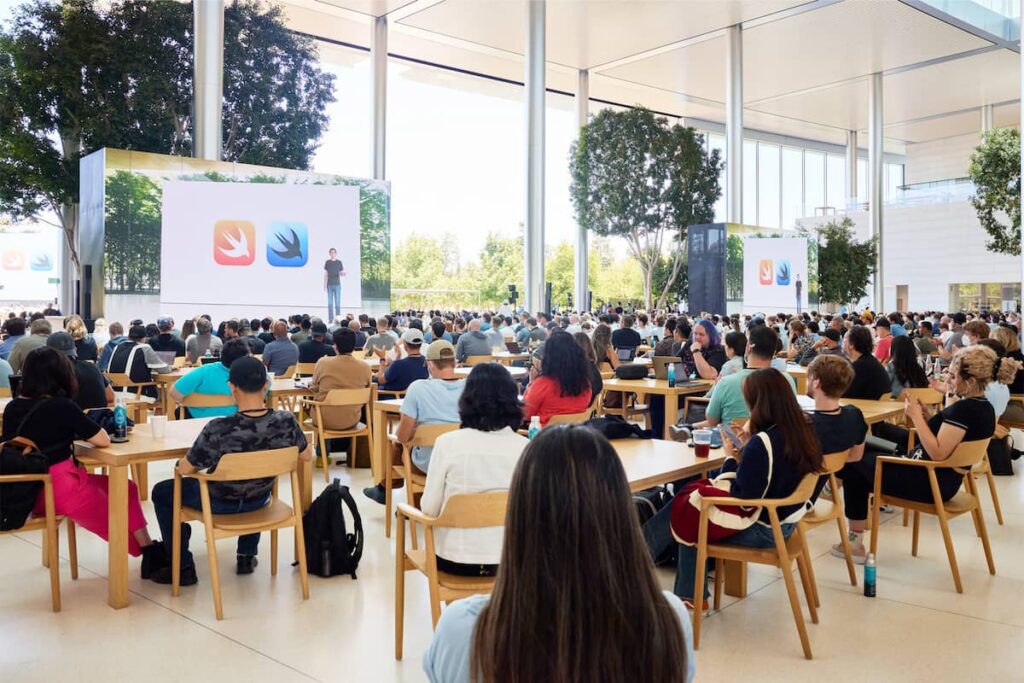
One of the reasons Apple keynotes work is because they’re unapologetically targeted.
WWDC isn’t trying to reach everyone.
It’s trying to reach the people who matter most to the mission of that event: Developers.
Apple knows that if developers are excited, consumers eventually benefit. If developers build great apps, the ecosystem grows. If the ecosystem grows, Apple wins.
Church leaders often make the opposite mistake.
We create messages, meetings, and events that are so broad they aren’t particularly meaningful to anyone.
Volunteer appreciation dinners become generic. Leadership gatherings become informational. Membership classes become procedural. Vision nights become budget presentations with a side of PowerPoint.
Nobody leaves inspired because nobody knows who the event was actually designed for.
Apple would never spend two hours talking to developers without first asking:
“What does a developer need to hear right now?”
Churches should ask the same question.
- “What does a volunteer need to hear?”
- “What does a small group leader need to hear?”
- “What does a parent need to hear?”
- “What does a first-time guest need to hear?”
When you know your audience, you stop communicating in generalities.
Apple Makes Insiders Feel Like Insiders
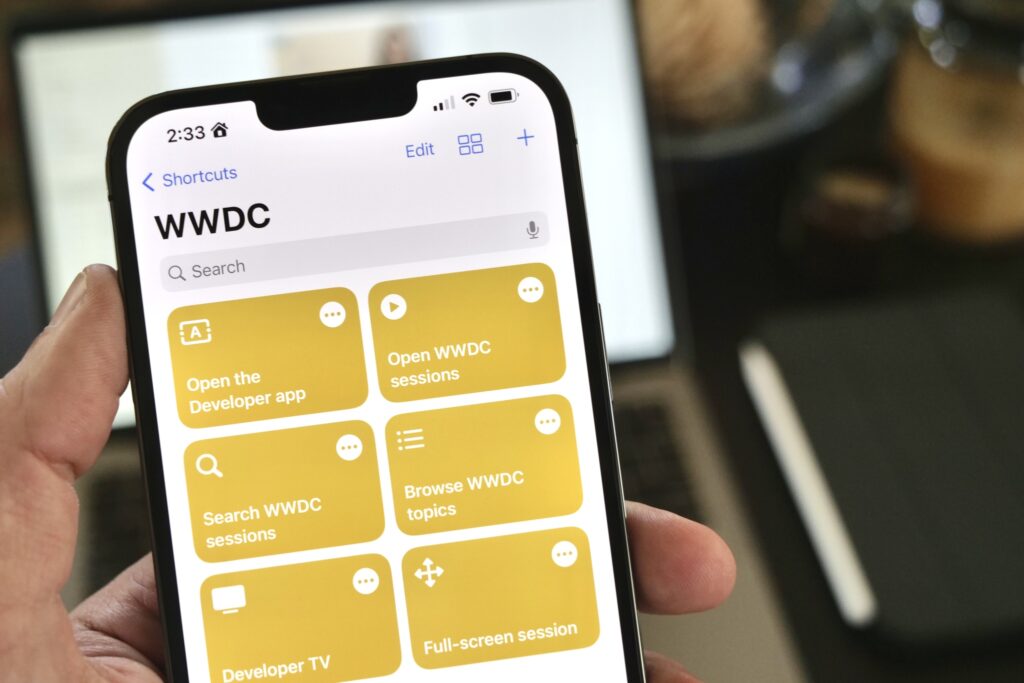
There is another genius element to WWDC: Developers get early access. They get previews, roadmaps, beta software, behind-the-scenes explanations.
Apple makes insiders feel like insiders.
People love being trusted with information. People love being part of something before everyone else. People love feeling like they matter. Churches often underestimate this.
Many volunteers know what they’re doing next Sunday, but they don’t know where the church is headed next year.
They know their schedule, but not the strategy. They know their task, but not the mission.
Apple understands that people become more committed when they understand the bigger story.
The best church leaders don’t just assign responsibilities, they reveal vision.
Every Keynote Reinforces Identity
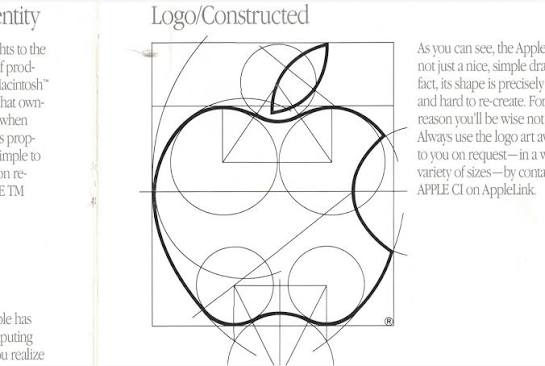
Watch enough Apple keynotes and you’ll notice something. The products change, the software changes, the presenters change, but the story rarely changes.
Apple is constantly reinforcing who they believe they are and what they’re about: innovation, simplicity, integration, privacy, creativity.
Whether they’re introducing a watch band or a new operating system, the message underneath is remarkably consistent. That’s not accidental, it’s culture.
Meanwhile, some churches sound like a different organization every six months. One year it’s evangelism, the next year it’s discipleship, then community, then missions, then family ministry, then leadership development.
All worthy priorities.
But people eventually need to know what the church actually believes it has been uniquely called to do.
A keynote isn’t just information transfer, it’s identity reinforcement.
Church leaders should think the same way about their major gatherings.
The Church Version of WWDC
Imagine if churches stopped trying to copy everyone else’s conferences and started building signature moments of their own. Not because conferences are bad, but because your church’s most important audience already belongs to you.
What if once a year your church hosted a massive vision night that felt like an Apple keynote? Not flashy. Not gimmicky. Just intentional.
Imagine gathering every volunteer, leader, staff member, and ministry partner in one room.You celebrate wins, tell stories, cast vision, preview what’s next, reveal new initiatives, explain why they matter, show where God is leading the church.
For one night, everyone leaves with absolute clarity about the future.
Apple understands something many churches forget:
People don’t just need instructions, they need anticipation, momentum, and a compelling picture of tomorrow.
One More Thing…
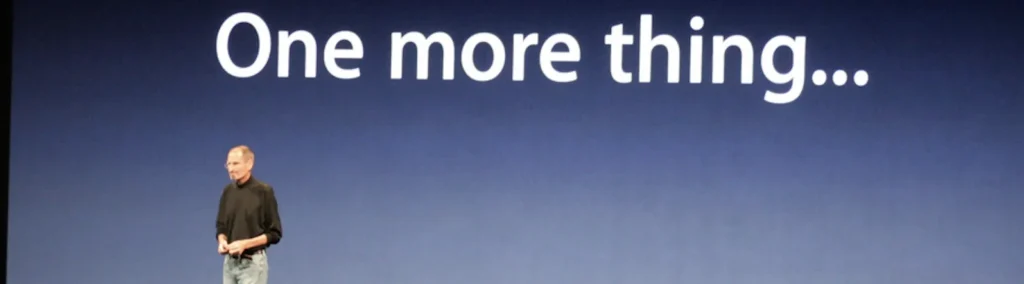
Steve Jobs famously ended many presentations with the phrase, “One more thing…” The audience knew something important was coming. Not because the slide deck was good. Not because the lighting was perfect. Not because the production budget was enormous. Because they trusted the storyteller.
That’s the real secret behind Apple’s keynotes. It’s not the stage, the video, the applause cues, it’s trust.
For decades, Apple has consistently delivered enough value that people believe paying attention matters.
Church leaders should pay attention to that. Because ultimately, the most powerful gatherings aren’t the ones with the biggest production, they’re the ones where people walk into the room believing:
“What happens here matters.”
Apple built that expectation around software announcements. The Church has the opportunity to build it around something infinitely more important.
dc.

