

what pastors can learn from steve jobs without becoming steve jobs. (part two.)
When Steve Jobs was CEO of both Apple and Pixar, he wasn’t doing the same job twice. He was doing two completely different jobs.
Here’s the simplest way to understand it:
At Apple, Steve Jobs was a turnaround specialist. At Pixar, Steve Jobs was a steward.
If you pastor long enough, you will have to be both at different times. The problem is most leaders only know how to be one or the other, and they use the wrong style at the wrong time, and then wonder why everyone is frustrated.
Steve Jobs at Apple: The Turnaround Guy

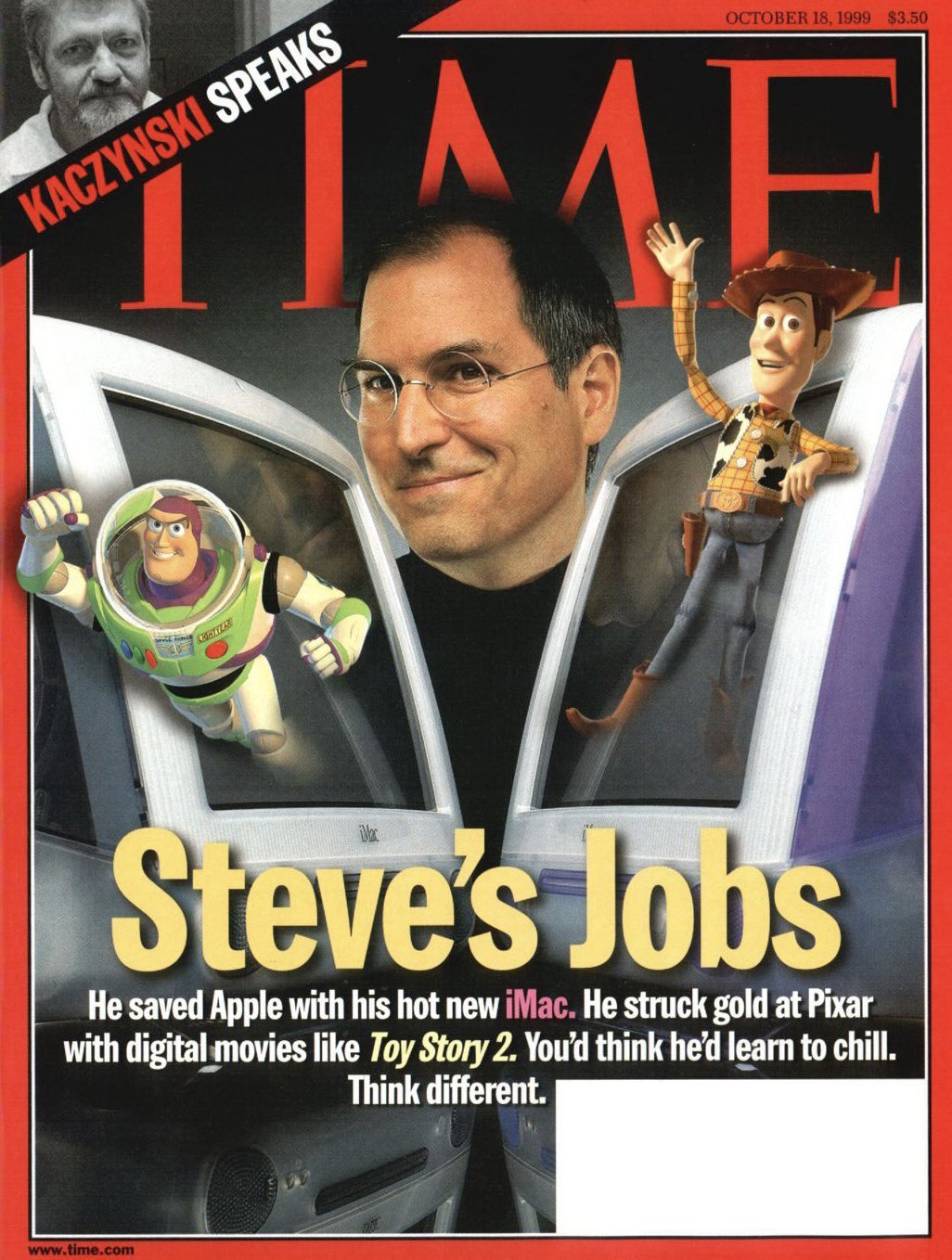
When Jobs came back to Apple in 1997, Apple was a disaster. They were losing money, they had dozens of confusing products, no clear direction, and approximately 47 things with beige plastic cases that nobody wanted.
So what did Jobs do? He went into full control mode.
- He cut the product line down to four computers.
- He obsessed over design.
- He obsessed over marketing.
- He obsessed over packaging.
- He obsessed over fonts.
- He obsessed over the color of the iMac.
- He obsessed over the inside of the box.
There’s a famous story where Jobs delayed a product because he didn’t like the shade of gray on a machine that most customers would never think about for more than six seconds. That sounds crazy until you realize something:
“Details matter when something is broken.”
If a ministry is struggling, you do not fix it with vision statements and a sermon series called “Dream Again.” You fix it with:
- Better systems
- Better training
- Clearer expectations
- Cleaner rooms
- Friendlier volunteers
- Better follow-up
- Better communication
- Better execution
Turnarounds are not sexy. Turnarounds are spreadsheets, org charts, training manuals, and awkward meetings.
Apple needed a leader who would walk into a room and say, “No, we’re not doing 40 things. We’re doing four things and we’re going to be great at them.”
Some ministries need that guy. Not forever. But for a season.
Steve Jobs at Pixar: The Steward
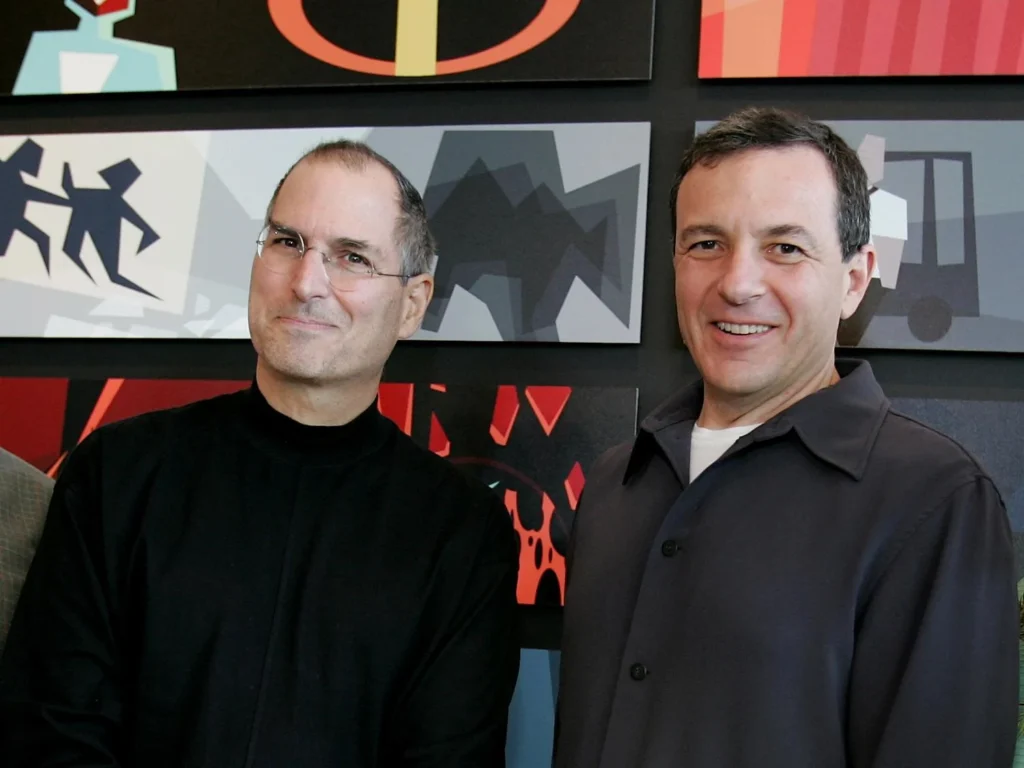
Pixar was healthy. Pixar had Ed Catmull running the company and John Lasseter running the creative. They were making hit movies. The culture was strong. The team was strong. So Jobs didn’t walk into Pixar and start giving notes on Toy Story characters.
He didn’t say, “Woody should be funnier.”
He didn’t say, “Buzz Lightyear needs a better catchphrase.”
He didn’t sit in animation meetings all day.
Ed Catmull said:
“Steve’s role was to protect us.”
That might be one of the best job descriptions for a senior pastor I’ve ever heard.
When a ministry is healthy, your job changes. You are no longer the firefighter. You are the culture protector. The vision caster. The resource provider. The person who fights for budget, space, staff, and clarity so your team can do what they do best.
Healthy ministries do not need a micromanager. Healthy ministries need a guardian.
Pixar needed Steve Jobs to handle Disney, money, contracts, and strategy so the creative people could create. That’s stewardship.
The Problem in Church World
Here’s where this goes off the rails for a lot of pastors.
Insecure leaders micromanage healthy ministries. Lazy leaders ignore struggling ministries Both are leadership mistakes. Just opposite ones. If your ministry is struggling and you’re hands-off, that’s not empowerment. That’s neglect. If your ministry is healthy and you’re in every decision, that’s not leadership. That’s suffocation.
Steve Jobs squeezed Apple and protected Pixar. Same leader. Different pressure. And the wisdom to know the difference is what made both companies work.
The Question Every Pastor Should Ask
“Is this ministry Apple in 1997, or Pixar in 2002?”
Because the way you lead those two things is completely different.
- One needs spreadsheets and standards.
- One needs vision and protection.
- One needs you in the weeds.
- One needs you out of the way.
- One needs a builder.
- One needs a steward.
And if you use the wrong leadership style in the wrong environment, you will either crush a healthy ministry or slowly watch a struggling one die while you talk about vision.
Steve Jobs didn’t just run two companies. He correctly diagnosed what each organization needed from him.
That’s leadership.
dc.

