

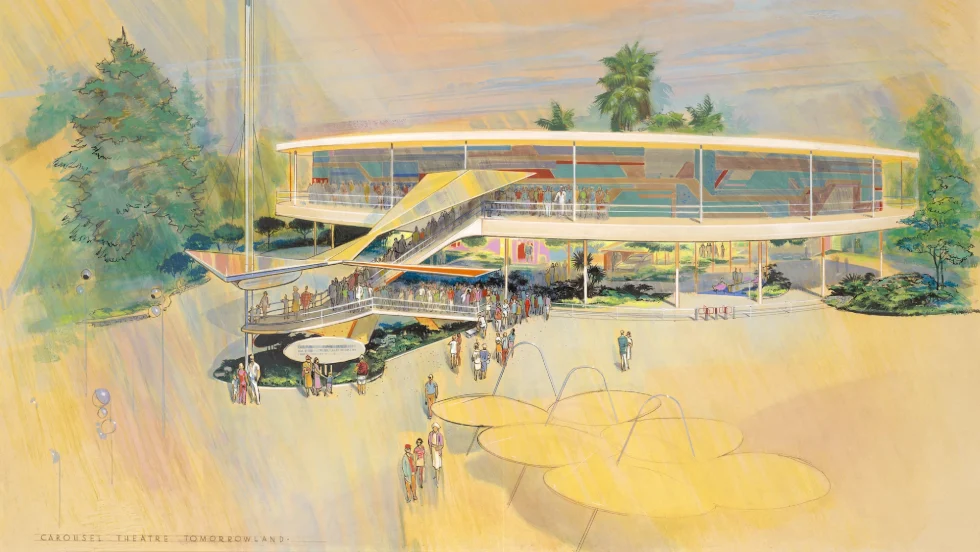
Today, Disney announced that Walt Disney’s Carousel of Progress at Magic Kingdom is getting a major update. And because the internet is the internet, some fans responded with the emotional stability of a church business meeting where someone proposes moving the piano six inches.
In case you’re not a Dis-nerd like me, Carousel of Progress is a classic Disney comfort food attraction. Walt worked on it. The theater rotates. The song “Great Big Beautiful Tomorrow” burrows into your soul (not coincidentally – it was written by the Sherman Brothers who also wrote “It’s a Small World After All.”)
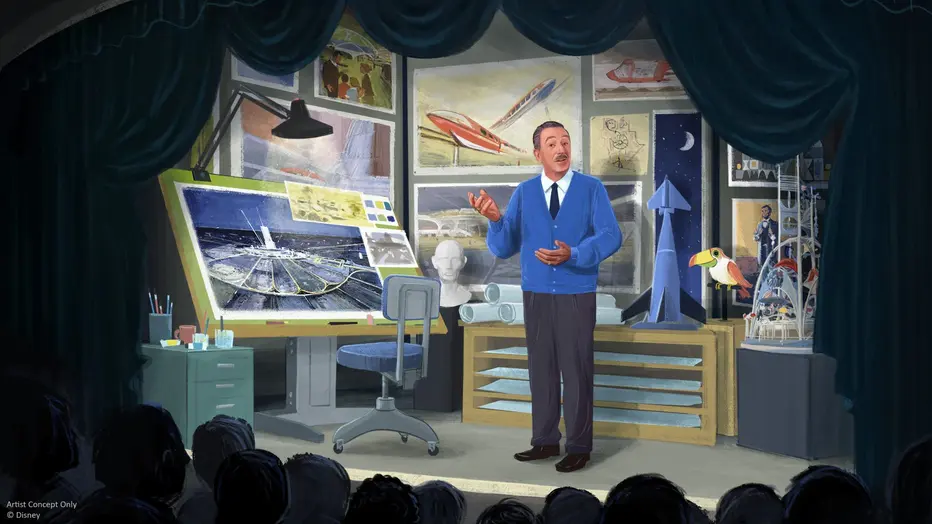
The attraction debuted at the 1964 New York World’s Fair as a General Electric show, following one family through different eras of technological change, and robot dad keeps insisting every new appliance will finally fix the future. Later it moved to Disneyland, then Walt Disney World, where it became a Tomorrowland staple.
So when Disney says they are updating it, fans feel it.
I read these responses on Reddit: “I’m pretty worried about Disney botching one of Walt’s final creations.” Another said, “This one has actual historic value.” Someone else put it simply: “Some things can and should be left alone.”
And, of course, a protest hashtag was born: #notmycarousel.
Every pastor knows that hashtag.
- #NotMyWorshipSet
- #NotMyLobbyPaint
- #NotMyServiceTime
- #NotMyDrumCageRemoval
Blessed are the peacemakers, for they shall inherit the comment cards.
A good lesson for pastors to learn from passionate Disney fans:
“people do not usually resist change simply because they are stubborn. Sometimes they resist because the thing being changed is attached to a memory.”
- That ugly mauve classroom chair? Someone said yes to Jesus for the first time while sitting in it.
- That old pulpit? A beloved pastor preached from it for decades.
- That hymn? It was sung at someone’s mother’s funeral.
So when a leader says, “We’re just updating the room,” what some people hear is, “We’re deleting your story.” That is why change cannot just be managed, it has to be pastored. At the same time, nostalgia makes a terrible senior pastor.
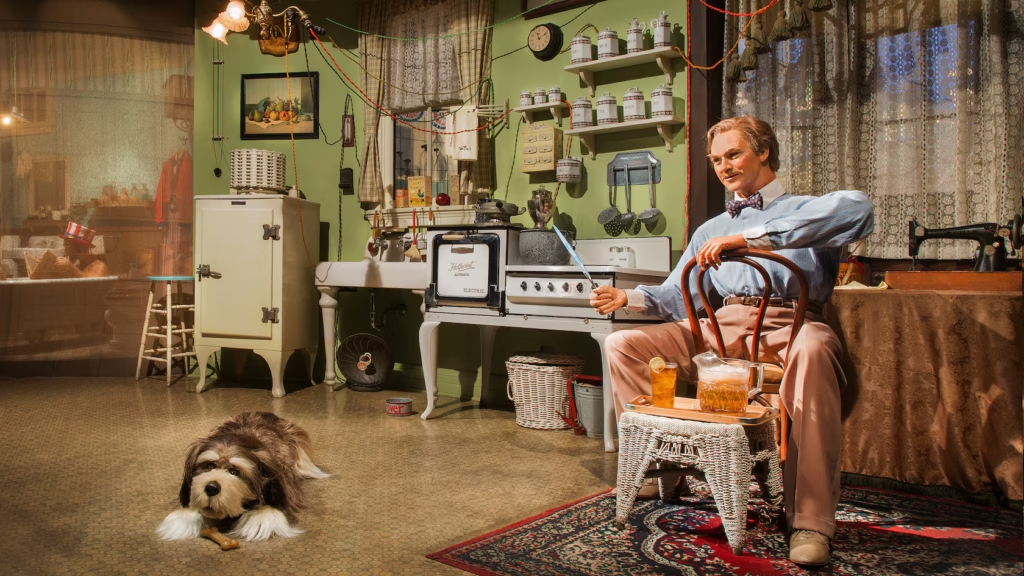
The funny thing about Carousel of Progress is that the whole attraction is about change. The family moves through time. The technology changes. The world changes. The theater literally rotates! (Also worth noting is that the attraction has been updated multiple times over the years, and the version that exists now isn’t even the same one that Walt created.)
It is not called Carousel of Please Don’t Touch Anything Because Walt Once Looked at This. It is called Carousel of Progress.
Church leaders live in that tension all the time. The gospel does not change. Jesus does not need a rebrand. The mission is not up for grabs. But almost everything else is a tool.
- Ministry programs are tools.
- Buildings are tools.
- Decor is a tool.
- Websites and logos and signage are tools.
- Songs are tools.
- Coffee is a tool (although some churches have made it a sacrament with oat milk)
The question is not, “Should we change?” The better question is:
“What needs to stay the same so we remain faithful, and what needs to change so we remain fruitful?”
Before you unveil the shiny new thing, honor the old thing. Tell the stories. Thank the volunteers. Celebrate what God did. Let people grieve before you ask them to cheer.
- Say, “This mattered.”
- Say, “God used this.”
- Say, “We are not changing this because it failed. We are changing it because the mission is still alive.”
- Say, “I know this played a significant role in your faith. We are changing it because we want to reach your children and your grandchildren who don’t connect as well with it.”
Those statements alone could save six months of hallway ambushes.
Under most change conflict is a deeper question: “Do I trust you with something I love?” So tell people what is changing. Tell them why. Tell them what is not changing. Tell them who you listened to. Then tell them again, because half the church missed the first announcement and the other half heard it from Brother George in the parking lot.
A church cannot be governed by whoever has the strongest sentimental attachment to the carpet. But it also should not be led by people who treat tradition like a disease. Healthy churches know the difference between roots and ruts. Roots nourish the future. Ruts trap the present. So honor the past. Keep the sacred things sacred. Preserve the testimony.
But at some point, the theater has to rotate. Progress is not betrayal when the church stays on mission. Sometimes progress is faithfulness. And somewhere in Tomorrowland, an animatronic family is still singing about a great big beautiful tomorrow. The church should be too.
dc.

