

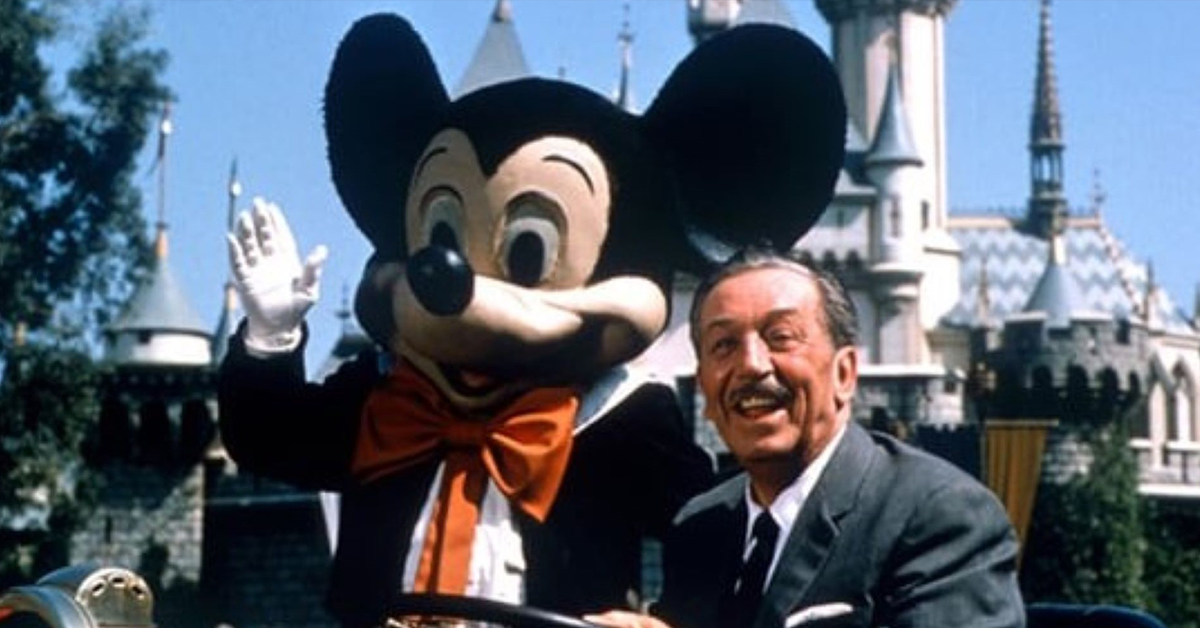
The series to follow explores the unique dynamic between Walt and Roy Disney, examines why it worked, and draws lessons for how pastors can model their leadership in the same way.
the disney leadership myth that’s wrecking your church (part three.)
Walt the Visionary

Walt Disney was, without question, one of the greatest creative visionaries of the twentieth century. From early childhood he was sketching, doodling, and telling stories. As a young man, he pursued animation with relentless energy, constantly innovating and pushing the boundaries of what was possible. Walt rarely accepted the world as it was; he always asked, “What if?”
• What if cartoons had synchronized sound?
• What if a full-length animated feature film could captivate an audience?
• What if there was a place where parents and children could play together in a world of fantasy?
His imagination was not just artistic but deeply entrepreneurial. Walt believed in creating experiences that no one else had even conceived. But like most visionaries, Walt had a significant weakness: he was often unconcerned with financial details, organizational structures, or day-to-day stability. He could dream the impossible, but he needed someone to ground those dreams in reality.
Roy the Realist
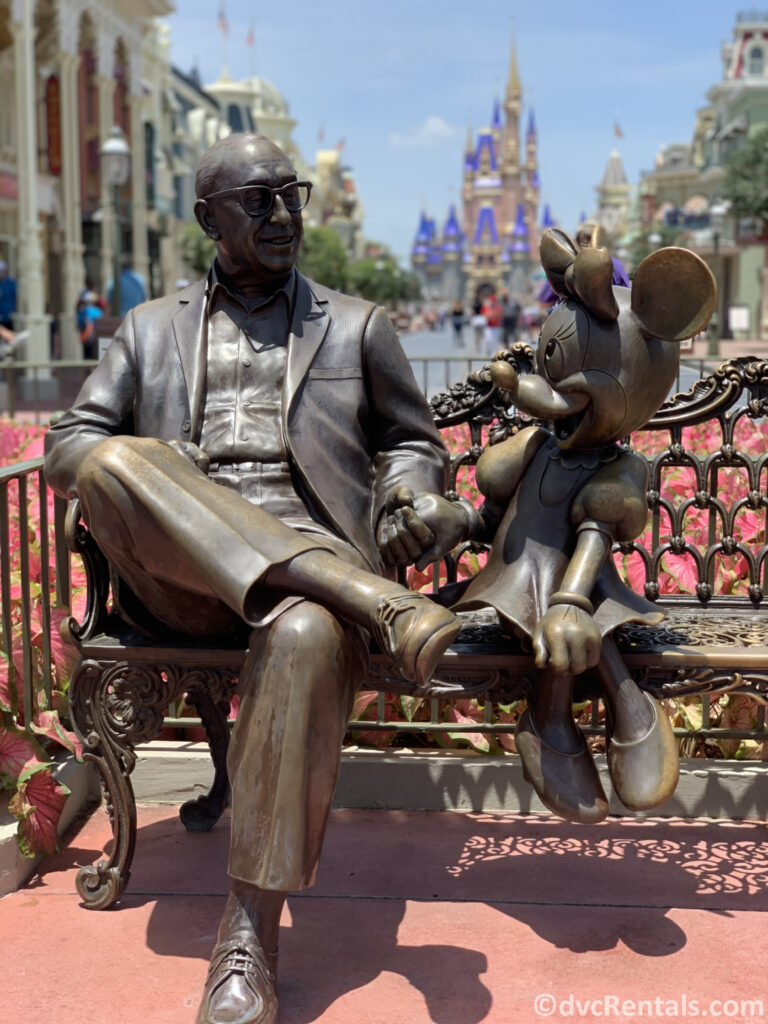
Enter Roy O. Disney, the older brother by eight years. Roy was not a creative in the artistic sense. He didn’t draw cartoons, write stories, or design theme parks. Instead, he had a gift for finance, administration, and operations. He understood balance sheets, bank negotiations, and the intricacies of business management. But if “creativity” were defined by finding ways to solve complex problems, Roy was every bit as “creative” as Walt, just in a different discipline.
Roy was cautious where Walt was daring. He was steady where Walt was restless. His natural instinct was to preserve, protect, and build wisely. While Walt would take every dollar they had and plunge it into a new creative gamble, Roy would carefully manage cash flow, negotiate with investors, and ensure the bills got paid.
The Dance Between Them
The Disney company was built on this delicate dance between dreamer and doer, visionary and manager. Time and again, Walt would come up with an idea so ambitious that investors balked. A cartoon with sound? Too risky. A feature-length animation film like Snow White and the Seven Dwarfs? Financial suicide. A theme park the size of Disneyland? Utter madness.
But Roy would step in, smooth things over with bankers, negotiate with distributors, and ultimately find a way to finance the dream. Roy believed in his little brother’s genius, even when others didn’t. And Walt, though often impatient with bureaucracy, ultimately trusted Roy to keep the dream alive.
When Walt died in 1966, Disneyland had already been a global success, and plans for Walt Disney World in Florida were underway. Many thought that dream would die with Walt. But Roy, though nearing retirement, postponed his plans to ensure that his brother’s final dream became reality. In 1971, he personally dedicated Walt Disney World, insisting that it bear Walt’s name. And a few months later, Roy himself passed away.
Together, Walt and Roy created not just an entertainment empire but a model of visionary leadership coupled with disciplined execution.
Church Leadership Application
So, what does this mean for church leadership?
It’s imperative that the visionary leader (Walt) sets the pace and leads the way. They have the vision, the creativity, and the passion. The systems leader (Roy) executes the vision and builds the structure to bring the vision to life. Roy can never be in the lead seat. They will move too slow, be too cautious, too risk averse. The organization will not move forward and will always protect the status quo.
But without a Roy, the visionary leader will bet the farm without the necessary tools to support the vision. They need a partner like Roy who believes in the visionary leader and wants to make their dreams happen.
And if a church only has a Walt, they will chase big dreams, but never fully realize them because their systems can’t support, manage and replicate or repeat the vision.
The church needs both Walt and Roy to grow in a healthy manner.
dc.

